


A Guide to Hajj in Islam
Hajj is a journey of worship to the Sacred House, combining devotion to Allah, remembrance, patience and kindness. This guide explains the rites step by step and notes recognised differences between Sunni schools. Learn the rulings for your rite before travelling, and seek guidance for your circumstances. وَلِلَّهِ عَلَى النَّاسِ حِجُّ الْبَيْتِ مَنِ اسْتَطَاعَ إِلَيْهِ سَبِيلًا Pilgrimage to the House is a duty to Allah for those able to make the journey. — Quran 3:97
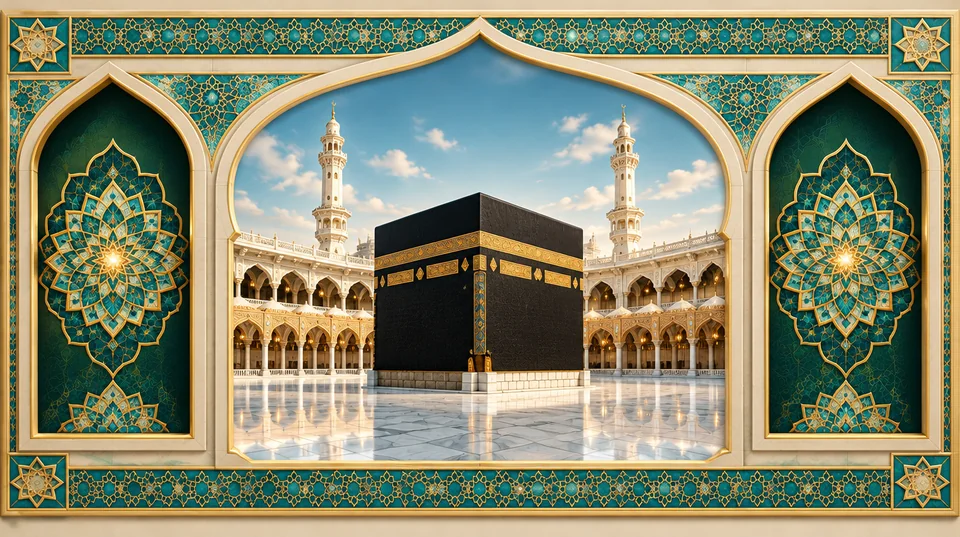
The meaning and place of Hajj
Hajj is worship of Allah through prescribed rites at the Sacred House and other holy sites at their appointed times. It is a pillar of Islam, obligatory once in a lifetime for a Muslim who is able; further pilgrimages are voluntary. Ability depends on a person’s circumstances. [1, 2]
بازگشت به بالاWho must perform it?
Ability includes health, financial means, safe travel and providing for dependants, while considering debts, regulations and circumstances. Sunni schools differ on some conditions. Someone permanently unable to travel should ask about the rules for a proxy pilgrimage. Allah does not burden a person beyond their ability. [1, 3]
بازگشت به بالاIntention and preparation
Intend Hajj for Allah, repent, settle or arrange debts with creditors, return trusts and provide for your family. Use lawful funds, learn the rites before travelling, and seek reconciliation with anyone you have wronged.
بازگشت به بالاTravel and health
Check permits, travel documents, accommodation, transport and emergency contacts. Carry prescribed medicines, drinking water and protection from heat. Consult a clinician about illness, pregnancy, age or other needs, plan help for anyone who needs it, and avoid crowding.
بازگشت به بالاVisiting Madinah
Prayer in the Prophet’s Mosque is a great virtue, but visiting Madinah is neither a pillar nor a condition of Hajj. Visit before or after Hajj, or omit it. Give salutations respectfully to the Prophet ﷺ and his two companions where permitted, avoiding crowding; direct supplication to Allah alone. [4]
بازگشت به بالاFrom Madinah to Makkah
Entering Madinah alone does not require ihram. When travelling from Madinah to Makkah intending Hajj or Umrah, enter ihram at or before Dhu al-Hulayfah, also known as Abyar Ali. Prepare clothing beforehand; the restrictions apply after entering the state of ihram with the intention for a rite. [5]
بازگشت به بالاMiqat and air travel
The appointed boundaries include Dhu al-Hulayfah, al-Juhfah, Qarn al-Manazil, Yalamlam and Dhat Irq according to the route. A traveller intending a rite enters ihram by the applicable miqat. When flying, prepare beforehand and intend ihram when approaching or before passing the boundary; do not assume the airport is the miqat. Confirm the route. [5]
بازگشت به بالاThe three forms of Hajj
Tamattu: perform Umrah during the Hajj months, exit ihram, then enter a new ihram for Hajj. Ifrad: enter ihram for Hajj alone. Qiran: join Hajj and Umrah in one ihram and remain in it until release in Hajj. An eligible pilgrim performing tamattu or qiran offers the required hadi; the mufrid does not owe that particular sacrifice. [6]
بازگشت به بالاPreparing for ihram
A bath and cleanliness before ihram are recommended. A man may apply perfume to his body before entering ihram, but not perfume his ihram garments. Men ordinarily wear a waist wrap, an upper wrap and sandals. Women wear ordinary modest covering without a prescribed colour. Menstruating women and women in postnatal bleeding also bathe for ihram. [7]
بازگشت به بالاIntention and talbiyah
Intend the chosen rite in your heart and say the talbiyah: Labbayka Allahumma labbayk, labbayka la sharika laka labbayk, inna al-hamda wa al-nimata laka wa al-mulk, la sharika lak. The pilgrim continues until stoning Jamrat al-Aqabah; the person performing Umrah until starting tawaf. A precautionary condition for a feared obstacle has detailed rules. [8]
بازگشت به بالاRestrictions during ihram
Once in ihram avoid perfume, removing hair or trimming nails, marriage contracts, sexual intercourse and its preliminaries, hunting land game or assisting it, and other prohibited acts. Washing and changing ihram clothing are allowed; avoid scented products. A violation does not automatically invalidate Hajj: rulings on mistakes, necessity and compensation differ. [9]
بازگشت به بالاClothing restrictions
A man in ihram avoids fitted garments such as a shirt or trousers and a close head covering; stitching itself is not the reason, so a belt and watch are permitted. A woman in ihram does not wear a niqab or gloves; she may cover her face before non-mahram men with a loose covering, observing recognised Sunni differences about its manner. [10]
بازگشت به بالاConduct and safety
Avoid indecent behaviour, wrongdoing, harmful arguments, pushing and blocking paths. Guard your speech, help vulnerable pilgrims and follow safety instructions. Never harm someone to reach the Black Stone or perform a recommended action, and do not neglect obligatory prayer for photographs or shopping. [1]
بازگشت به بالاHunting and harmful animals
A pilgrim in ihram must not hunt land game or assist a hunter. The Sacred Precinct also has protections for its game and plants. These rules do not forbid protecting oneself from harmful animals; the gecko is mentioned separately in hadith. Avoid needless harm to animals and seek guidance about a particular case. [9, 16]
بازگشت به بالاUmrah: tawaf
On arriving in Makkah, perform seven circuits around the Kaaba, beginning aligned with the Black Stone, with the House on your left. If reaching it is difficult, point without pushing. Keep the Hijr enclosure within the circuit. No prescribed supplication is required for each circuit. Pray two rakahs afterwards when possible. [8]
بازگشت به بالاPurity and conduct in tawaf
Perform ablution and remove impurity before tawaf, following the Prophet’s practice and acting cautiously; Sunni schools differ on whether ablution is a condition. A menstruating woman waits for purity and a bath before tawaf. Do not push to kiss the Black Stone or touch a corner, and do not treat touching parts of the House as mandatory.
بازگشت به بالاUmrah: sai and release
Walk seven lengths between Safa and Marwah: Safa to Marwah is one, the return is another, ending at Marwah. A man then shaves or shortens his head hair; a woman trims the ends and does not shave. The pilgrim performing tamattu leaves ihram after Umrah until entering it for Hajj. The qarin or mufrid remains in ihram according to the rite. [8]
بازگشت به بالا8 Dhu al-Hijjah: Mina
On the eighth, a person performing tamattu enters ihram for Hajj from their place in Makkah and recites talbiyah. Pilgrims go to Mina when feasible and pray Dhuhr, Asr, Maghrib, Isha and Fajr in their times, shortening four-rakah prayers as travellers, following the Prophet’s example. Missing this recommended stay does not invalidate Hajj. [8]
بازگشت به بالا9 Dhu al-Hijjah: Arafah
After sunrise travel to Arafah and confirm you are within its boundaries, not in Uranah valley. Pray Dhuhr and Asr shortened and combined early when possible, then remember Allah and supplicate facing the qiblah until sunset. Standing at Arafah is essential; climbing the hill is not required. The standing normally begins after midday on the ninth and continues until dawn on the Day of Sacrifice; schools differ over when it begins. One standing during the day should remain until sunset if able. Anyone who misses the standing until dawn should promptly ask about exiting ihram and making up Hajj. [8]
بازگشت به بالاNight at Muzdalifah
After sunset travel calmly to Muzdalifah, combine Maghrib and Isha there, and stay the night according to ability and arrangements. The vulnerable and their companions have a dispensation to leave during the night. Schools differ on the minimum stay and valid excuses. After Fajr remember Allah until the morning light, then proceed to Mina before sunrise. [8]
بازگشت به بالا10 Dhu al-Hijjah: the largest jamrah
On the Day of Sacrifice throw seven small pebbles one at a time at Jamrat al-Aqabah, saying Allahu akbar with each. Aim for the designated basin, not at people or the pillar. Washing pebbles is not required. Observe safe crowd-control times and instructions. [8]
بازگشت به بالاHadi and compensation
The qualifying pilgrim performing tamattu or qiran owes an animal sacrifice. If unable to obtain it, the Quran prescribes fasting three days during Hajj and seven after returning. Not every pilgrim owes the same sacrifice; the obligatory hadi differs from compensation for a violation. A trusted authorised organisation may perform the sacrifice at the correct time and place. [6]
بازگشت به بالاHaircut and first release
After stoning and the required sacrifice, a man shaves or shortens his hair; shaving is better. A woman trims the ends and does not shave. First release occurs after the acts required in the school followed; most restrictions then end, while intercourse remains prohibited until full release. The required combination and order differ across schools. [8, 11]
بازگشت به بالاTawaf al-ifadah and sai
Go to Makkah for tawaf al-ifadah, an essential rite. Perform the Hajj sai when required, including for tamattu. For ifrad and qiran, the ruling differs if sai was performed after the arrival tawaf. Once the acts needed for full release are complete, the remaining restrictions end. Certain Day of Sacrifice actions may be reordered as permitted in the Sunnah. [8, 11]
بازگشت به بالاThe days of Tashriq
Stay in Mina on the relevant nights, subject to obligations, capacity and valid excuses. After midday each day stone the three jamrahs in order: smallest, middle, largest; seven separate pebbles at each, saying Allahu akbar. After the first and second, supplicate away from crowds; do not stop after the last. Timing and exceptions have details. [12]
بازگشت به بالاLeaving early or staying
A pilgrim may leave Mina early after stoning on the twelfth, departing before sunset under the applicable conditions. Staying to stone on the thirteenth is also permitted and preferable for one able to do so. An involuntary delay, congestion or other excuse has detailed rulings; do not endanger yourself or others. [13]
بازگشت به بالاFarewell tawaf and departure
Before leaving Makkah after Hajj, make farewell tawaf your final rite at the House. A menstruating woman or one with postnatal bleeding is excused from farewell tawaf after completing tawaf al-ifadah. This does not remove the requirement of tawaf al-ifadah; seek guidance if it remains incomplete. Depart without unnecessary delay, then visit Madinah or return home. [14]
بازگشت به بالاMenstruation and postnatal bleeding
A woman may enter ihram, stand at Arafah, remember Allah and perform the rites, but waits until she is pure and has bathed before tawaf. If she may miss Arafah or must travel, she should not assume she has left ihram; seek individual guidance about the rite, necessity and recognised differences. The ruling for sai is connected to its preceding tawaf. [15]
بازگشت به بالاIllness and accessibility
Use valid dispensations, mobility aids or a companion when needed and follow medical and safety advice. Some people with valid excuses have rules for assisted stoning, an agent or staying overnight; their application differs. Do not assume that an able person may delegate merely for convenience. Seek help early and do not postpone urgent treatment.
بازگشت به بالاEssential acts and mistakes
Schools distinguish essential acts, duties and recommended acts, but classify some details differently. Standing at Arafah and tawaf al-ifadah are fundamental, and ihram enters one into the rite; the status and details of sai and haircut vary among schools. Do not assume every mistake invalidates Hajj or requires a sacrifice. Ask a knowledgeable teacher before leaving.
بازگشت به بالاAfter Hajj
Thank Allah and ask Him to accept your worship. Continue prayer, repentance, good conduct, fulfilling others’ rights and charitable deeds. Once the rites, farewell tawaf where applicable and travel arrangements are complete, a pilgrim may return; no fixed number of extra days is required. A title or appearance is not proof of acceptance.
بازگشت به بالاA concise checklist
1. Prepare and check ability and permits. 2. Choose the rite and enter ihram at the miqat. 3. For tamattu, complete Umrah and leave ihram. 4. Enter ihram for Hajj and go to Mina on the eighth. 5. Stand at Arafah on the ninth and spend the night at Muzdalifah. 6. On the tenth: stone the largest jamrah, offer required hadi, cut hair, perform tawaf al-ifadah and any required sai. 7. Stone the three jamrahs on the days of Tashriq. 8. Before leaving Makkah, perform farewell tawaf unless excused. Check the details of order and exceptions with a knowledgeable teacher.
بازگشت به بالاSources
[1] The Quran: Aal Imran 3:97; Al-Baqarah 2:197, 2:286. [2] Sahih al-Bukhari 8; Sahih Muslim 16. [3] Sahih al-Bukhari 1513, 1852. [4] Sahih al-Bukhari 1189, 1190; Sahih Muslim 1397. [5] Sahih al-Bukhari 1526; Sahih Muslim 1181. [6] The Quran: Al-Baqarah 2:196; Sahih Muslim 1227. [7] Sahih Muslim 1218a; Sahih al-Bukhari 1539. [8] Sahih Muslim 1218a; Sahih al-Bukhari 1646. [9] The Quran: Al-Baqarah 2:196–197 and Al-Maidah 5:95; Sahih al-Bukhari 1814. [10] Sahih al-Bukhari 1542, 1838. [11] Sahih al-Bukhari 1736; Sahih Muslim 1306. [12] Sahih al-Bukhari 1751, 1753. [13] The Quran: Al-Baqarah 2:203. [14] Sahih al-Bukhari 1755, 1760. [15] Sahih al-Bukhari 305; Sahih Muslim 1211. [16] Sahih al-Bukhari 1829; Sahih Muslim 2238. Hadith numbering may differ between editions.
بازگشت به بالا