

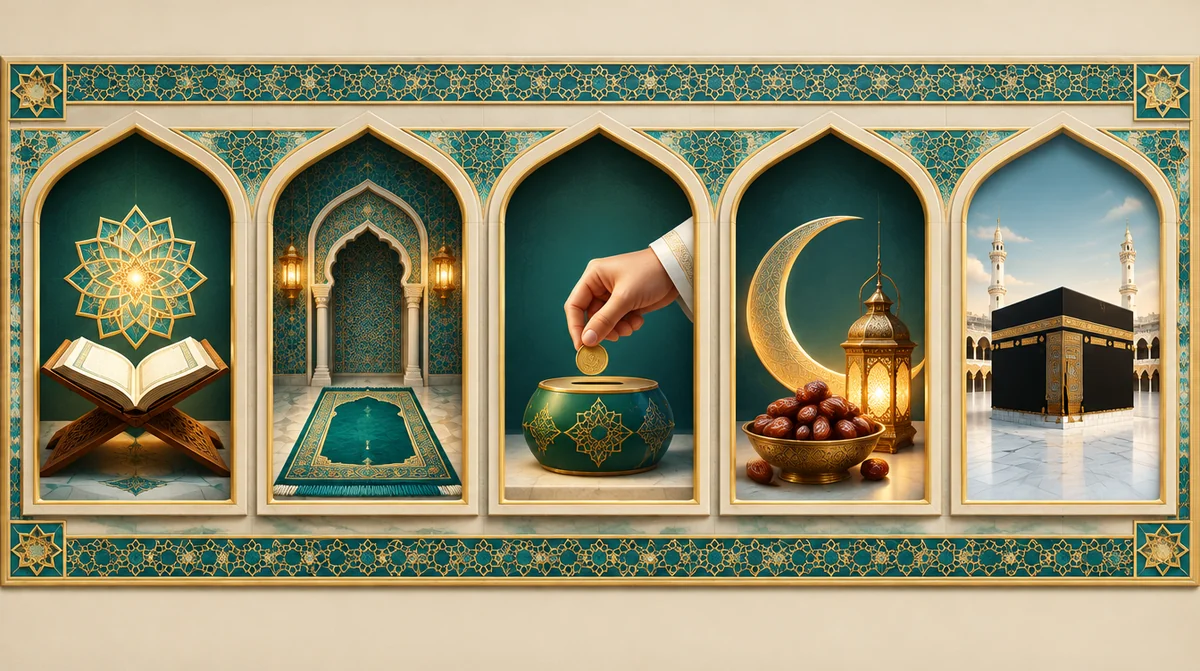
The Five Pillars of Islam
The five pillars are the foundations of a Muslim’s worship and way of life. They bring faith into daily practice and help us grow closer to Allah. Learn them one step at a time.
Shahada: the testimony of faith
The Shahada is the sincere declaration that Allah alone deserves worship and that Muhammad is His Messenger. It is the foundation of Islam. أَشْهَدُ أَنْ لَا إِلَٰهَ إِلَّا اللَّهُ، وَأَشْهَدُ أَنَّ مُحَمَّدًا رَسُولُ اللَّهِ Transliteration: Ashhadu an la ilaha illa Allah, wa ashhadu anna Muhammadan rasul Allah. “I bear witness that none has the right to be worshipped except Allah, and I bear witness that Muhammad is the Messenger of Allah.” A person enters Islam by sincerely believing in and declaring this testimony.
بازگشت به بالاSalah: the daily prayers
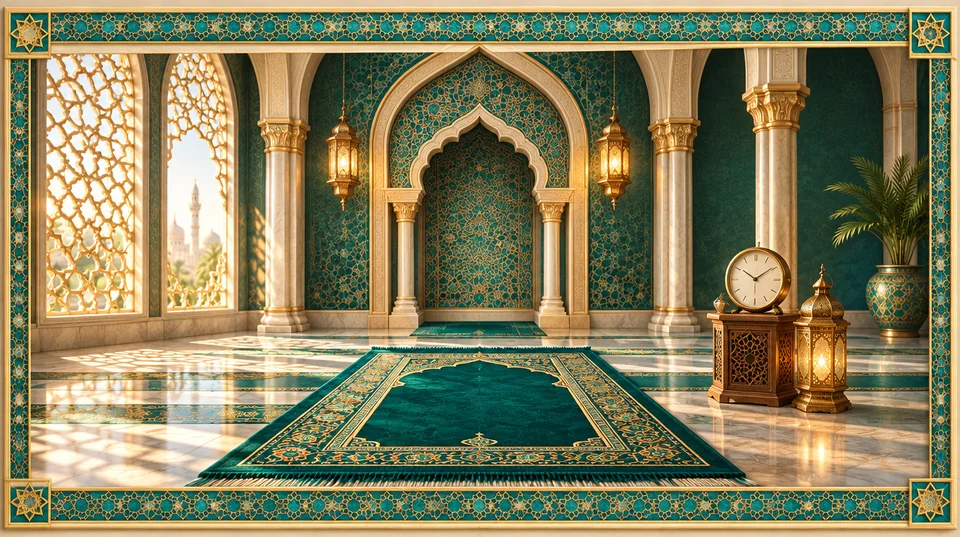
Muslims turn to Allah in five obligatory prayers each day: Fajr, Dhuhr, Asr, Maghrib and Isha. Each prayer has its own time and combines recitation, remembrance and movements such as bowing and prostration. Prepare with Wudu when needed, face the Qiblah and pray with sincerity. Learn gradually and pray according to your ability; a person who cannot stand may pray in a suitable position.
بازگشت به بالاZakat: obligatory giving
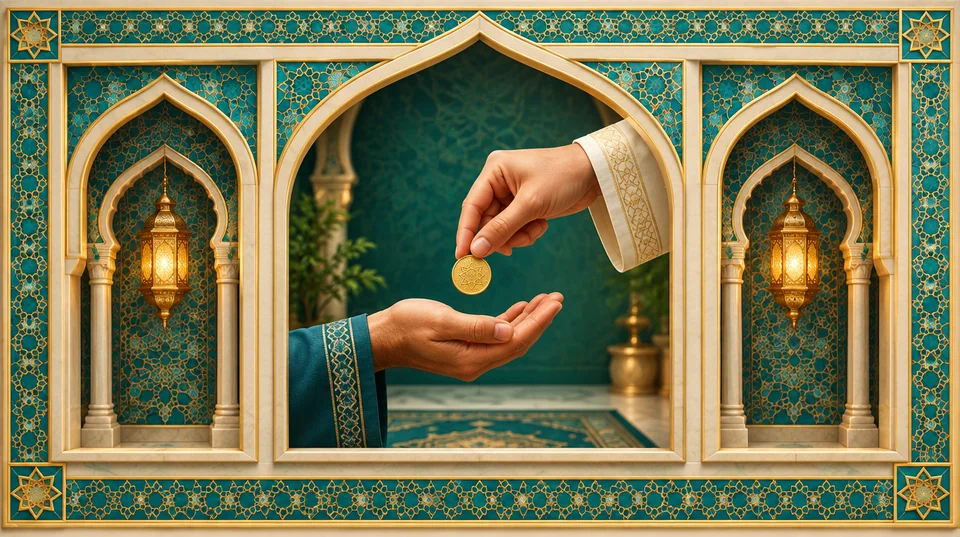
Zakat is an obligation on qualifying wealth given to eligible recipients, including people in need. It reminds Muslims to care for others and purifies their wealth. It is distinct from voluntary charity, called Sadaqah. For money and certain savings, Zakat is generally two and a half percent when the required minimum (nisab) and a lunar year’s conditions are met. Different kinds of wealth have different rules; seek guidance when calculating it.
بازگشت به بالاSawm: fasting Ramadan
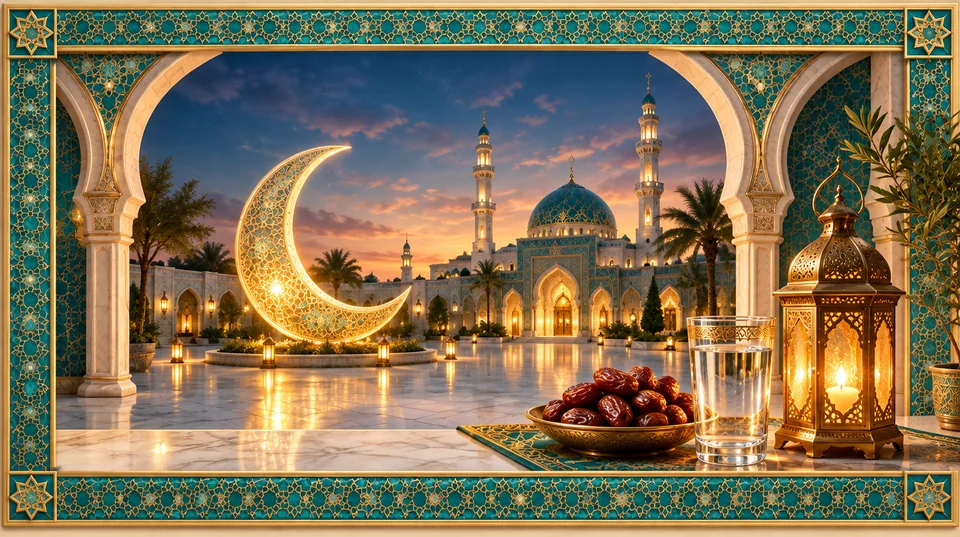
During Ramadan, Muslims fast each day from true dawn until sunset, abstaining from food, drink and other things that break the fast while seeking closeness to Allah. Fasting also teaches patience, gratitude and care for others. The sick and travellers have allowances and may make up missed days later. Other circumstances, including menstruation and lasting inability to fast, have their own rules. Ask a knowledgeable person about your situation.
بازگشت به بالاHajj: pilgrimage to Makkah
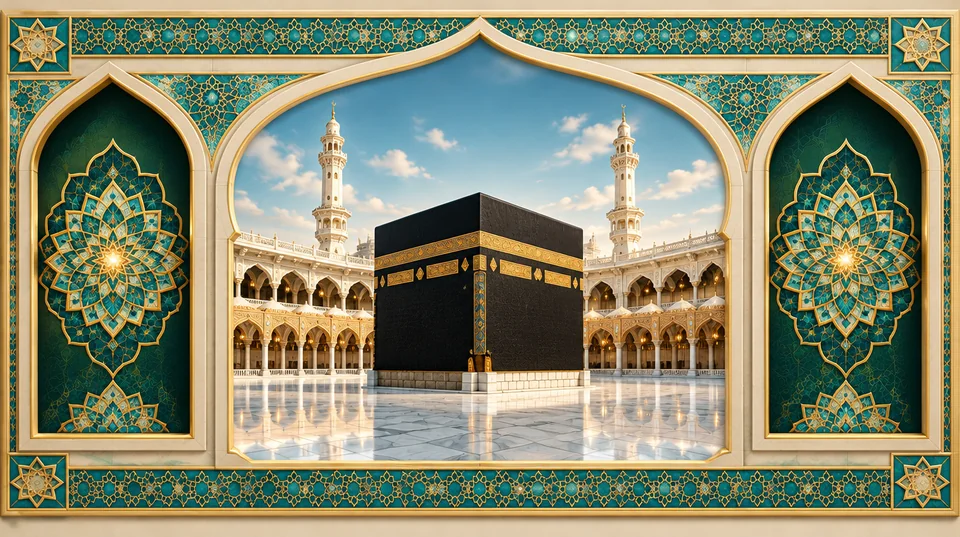
Hajj is the pilgrimage to the Sacred House in Makkah during the appointed days of Dhul-Hijjah. Muslims perform acts of worship including Tawaf around the Kaaba, Sa‘i between Safa and Marwah, and standing at Arafah. Hajj is required once in a lifetime for a Muslim who is physically and financially able to make the journey. Those who are not able are not required to undertake it until they can.
بازگشت به بالاKeep learning at a comfortable pace. Allah is merciful, and a trusted local teacher or mosque can help you with questions about your circumstances. Source: Sahih al-Bukhari 8; Quran 2:185, 3:97 and 9:60.